
 English
 Arabic
 Chinese (Simplified)
 Dutch
Dutch French
 German
 Italian
 Portuguese
 Russian
 Spanish
How to Read the Balance Sheet for Financial Reporting

International accountants focus on QuickBooks working with businesses that operate around the globe. They know about trade laws, foreign currency rates, and the accounting principles of other countries. Cost accountants create a constant record of all costs incurred by the business.
- These are listed first and are important for figuring out how liquid a company is.
- Did your business manager go out and borrow $60,000 to 100% finance a new Escalade for sales calls?
- It pulls data from different accounts, giving you a complete snapshot of your company’s finances.
- Below, I’ll discuss some common forms of accounting you might encounter.
- Both an annual and 10-K report can help you understand the financial health, status, and goals of a company.
- The balance sheet provides a snapshot of a company’s financial condition at a specific moment.
Debt-to-Equity Ratio

Small businesses tend to have simple, less complicated reports and can display more detail on the report. These are assets owned and used by the business, such as a building or vehicle, that will not be sold any time soon and will last for many years. Understanding the benefits of this report are anadvantage for business owners when making money decisions. You can use this cheat sheet as a quick reference whenever you need guidance on accounting basics. The more you understand your finances, the better you can https://www.bookstime.com/ plan for growth.
- That is especially true if a company can generate high returns on its assets or it’s growing rapidly.
- This category is usually called “owner’s equity” for sole proprietorships and “stockholders’ equity” or “shareholders’ equity” for corporations.
- However, valuation of companies is an art rather than a science (which we can discuss on a new blog post) but differs from net assets in the following key ways.
- However, net worth isn’t a good term because it implies that the business is worth the amount recorded in its owners’ equity accounts.
- In this case, you don’t include assets like real estate or other long-term investments.
- Plus, reviews of your financial health need to be completed in a timely way.
ACCOUNTING AND FINANCIAL TEMPLATES
In the final section of a balance sheet, you’ll need to understand owner’s equity (for sole proprietorships, LLCs, or partnerships) or shareholders’ equity (for corporations). We’ll do a quick, simple analysis of two balance sheets, so you can get a good idea of how to put financial ratios into play and measure your company’s performance. Learn how to build, read, and balance sheets for dummies use financial statements for your business so you can make more informed decisions. The central equation used in balance sheets is assets minus liabilities equals shareholder equity. On the current side, this can include things like payroll obligations, accrued benefits, and other items due within a year.

Understand the recipe
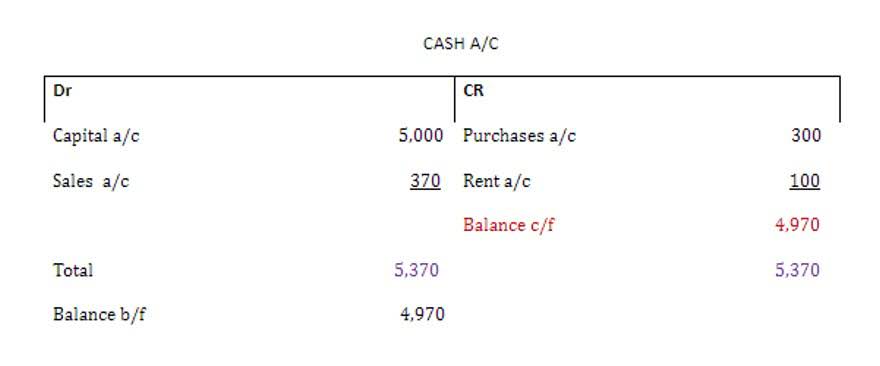
On the other, the clients pay you for them, along with the actual services you offer, so they’re now income. I like to think of accounting as the backbone of any successful business, providing the essential data and insights needed to drive informed decision-making. Your revenue is the total amount of money collected in exchange for goods or services before any expenses are taken out.
- You’ll need to comply with both federal regulations and the states in which you operate your business.
- By law, accountants for all publicly traded companies must comply with GAAP.
- It’s easy to overlook finances when you’ve handed them off to someone else.
- Accruals are credits and debts that I’ve recorded but not yet fulfilled.
- Business owners use accounting to track their financial operations, meet legal obligations, and make strong business decisions.
- These ratios can provide insight into the company’s operational efficiency.
- Shareholder equity or Owner’s equity is the difference between a company’s assets and liabilities.
You segregate all your raw data about transactions and taxes into records that give you a clear picture of your finances. By partnering with experts, businesses can rest assured that their financial reports meet Financial Accounting Standards and requirements, providing reliable data for smart decision-making. Professional services also save valuable time and resources while offering deeper insights into financial performance and trends to support strategic growth.
Leave a comment